
Is Dual Pricing Legal? The 2026 Guide for Small Business Owners
You see it at gas stations, local delis, and even your favorite coffee shop. Two different prices are listed at the register: one for cash and one for card. But as a business owner, you might be wondering, is dual pricing legal in 2026?
The short answer is yes. Dual pricing is a federally legal, compliant way to offset rising credit card processing costs. However, there are specific rules you must follow to stay on the right side of the law. If you want to stop losing revenue to swipe fees without risking fines, you need to understand how the system works.
This guide breaks down the legality, the benefits, and how to set it up correctly.
The Legal Landscape of Payment Processing
For decades, merchants absorbed the cost of credit card transactions as a “cost of doing business.” That changed thanks to the Durbin Amendment and subsequent court rulings. These changes gave business owners the right to offer incentives to customers who pay with cash.
Today, is dual pricing legal in all 50 states? Yes, it is. Unlike surcharging, which is banned or heavily restricted in several states (like Connecticut and Massachusetts), dual pricing programs operate differently. They do not penalize the card user; instead, they offer a discount to the cash user. This subtle distinction makes dual pricing a widely accepted standard across the United States.
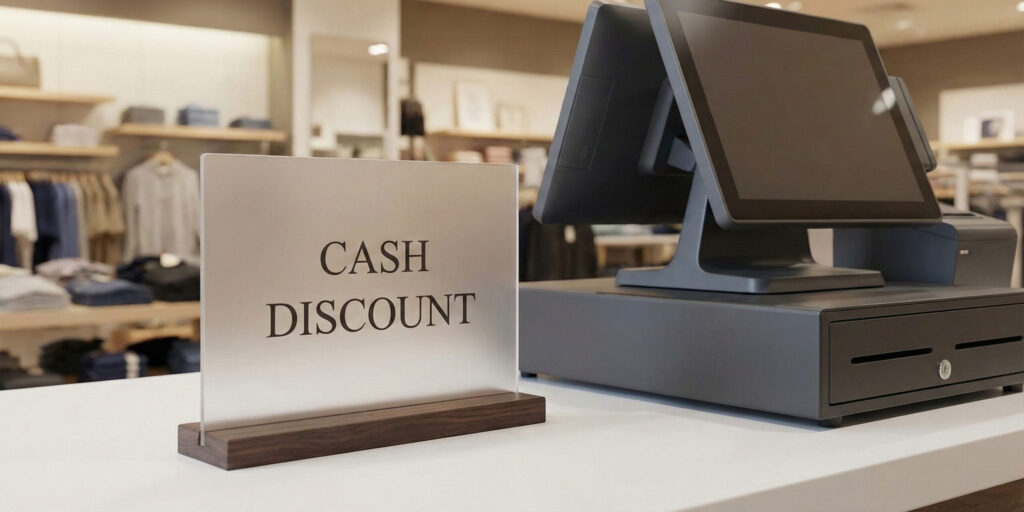
Cash Discount vs. Surcharging
It is critical to know the difference between these two terms. Mixing them up is where most businesses get into trouble.
-
Surcharging: You add a fee at the checkout specifically for using a credit card. This is strictly regulated and illegal in some states.
-
Cash Discount (Dual Pricing): You post the “standard” price (which includes the service fee) and offer a lower price for cash payments.
By presenting the card price as the standard price, you are fully compliant with Visa, Mastercard, and Discover guidelines.
Why 2026 is the Year to Switch
Inflation and operating costs are rising. Every percentage point matters. If your business processes $50,000 a month, traditional processing fees could cost you upwards of $1,500 monthly. That is $18,000 a year straight out of your pocket.
Switching to a dual pricing model allows you to keep 100% of your sale. You aren’t just saving pennies; you are protecting your bottom line.
Benefits for Your Business
-
Zero Fees: You eliminate the unpredictable monthly bill for credit card processing.
-
Upfront Transparency: Customers see the price clearly on the shelf or menu.
-
Better Cash Flow: You keep the full profit margin on every single item you sell.
How to Implement Dual Pricing Correctly
Knowing is dual pricing legal is only step one. Step two is execution. You cannot simply tape a handwritten note to your register asking for a fee. That is non-compliant and looks unprofessional.
To do this right, you need the proper technology.
1. Signage is Mandatory
You must display clear signage at the entrance and the Point of Sale (POS). This signage informs the customer that a service fee is applied to all sales, but removed if they pay with cash.
2. The Receipt Rule
Your receipt must clearly show the breakdown. It should list the service fee or the cash discount line item so the customer knows exactly what they paid.
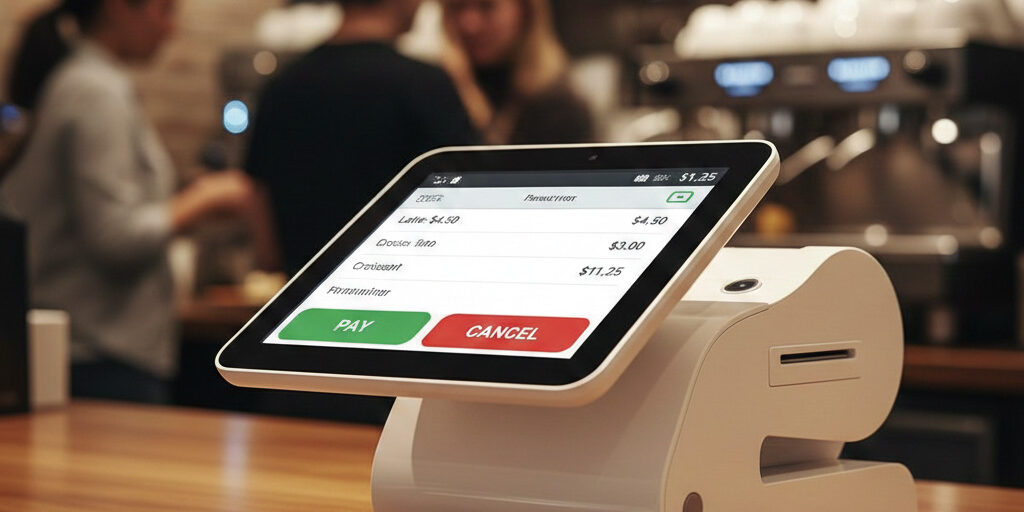
3. Automated POS Systems
Do not calculate this manually. You need a POS system, like the ones we offer at World VIP, that automatically applies the dual price. This removes human error and keeps your audit trail clean.
Conclusion: Stop Paying for Your Customers’ Points
The laws are clear. Is dual pricing legal? Absolutely. It is a powerful tool that levels the playing field for small businesses against big-box retailers. You no longer have to sacrifice your margins to pay for your customers’ airline miles or cash-back rewards.
By partnering with a transparent provider, you can implement a seamless, compliant program that saves you money from day one.
Ready to eliminate your processing fees? Contact World VIP Merchant Solutions today for a free consultation and see how much you can save.